Halet Çambel
1964-1985
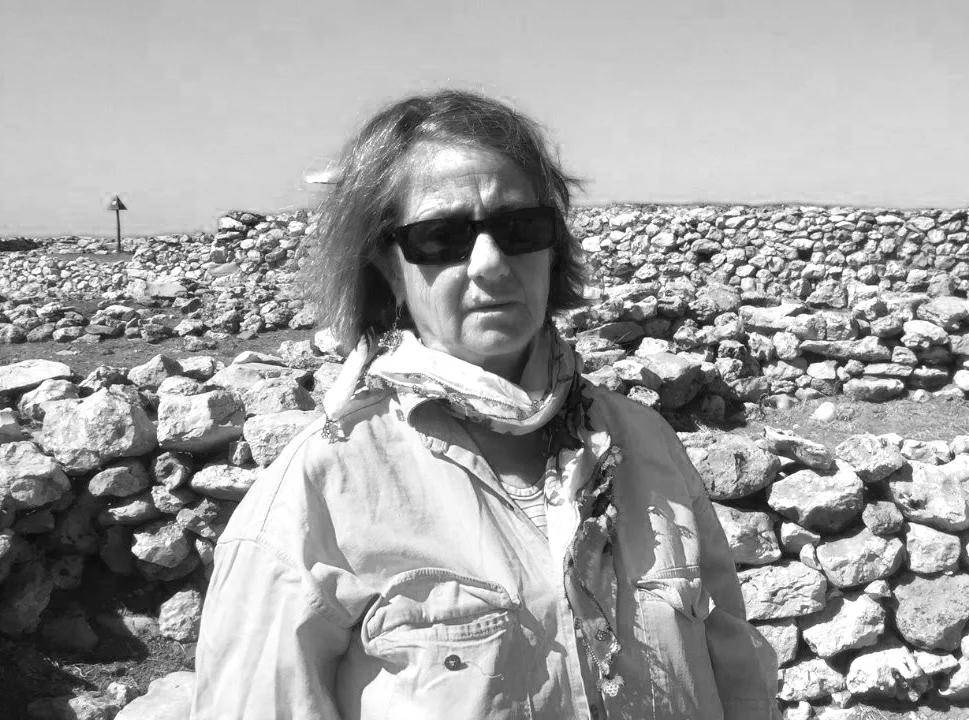
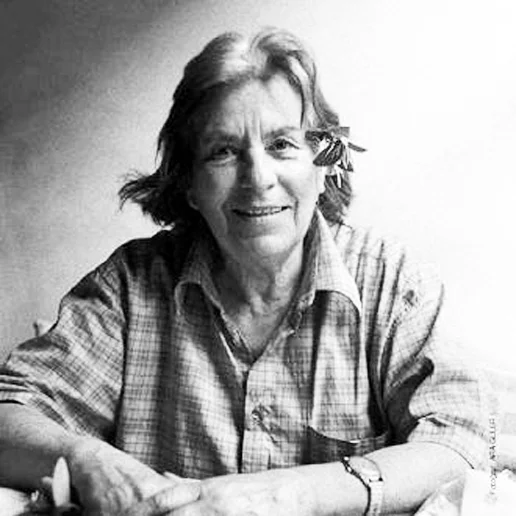
Prof. Dr. Halet Çambel, one of the founding figures of prehistoric archaeology in Turkey, left a lasting mark on Turkish archaeology not only through her scientific work, but also through her pioneering approach to cultural heritage preservation, relations with local communities, and the social responsibility of archaeology.
Born in Berlin on August 27, 1916, Çambel studied archaeology at the Sorbonne University after graduating from Istanbul Arnavutköy American College for Girls. By representing Turkey in fencing at the 1936 Berlin Olympics, she became one of the first Turkish female athletes to compete in the Olympic Games. Starting in the 1940s, through her academic work at Istanbul University, she spearheaded the institutionalization of prehistory research in Turkey, played a decisive role in founding the Department of Prehistory at Istanbul University, and contributed to training numerous young scientists. Halet Çambel passed away in Istanbul on January 12, 2014.
One of the major milestones in Halet Çambel's scientific career was the Karatepe-Aslantaş excavations. The work she conducted there not only yielded significant scientific results for Anatolian archaeology, but also enabled the development of a pioneering model in Turkey for preserving archaeological sites, displaying them in situ, and sustaining them alongside the local community. For Çambel, archaeology was not merely about uncovering data from the past. Excavation sites were living cultural spaces that needed to be preserved, shared with society, and passed down to future generations alongside scientific research.
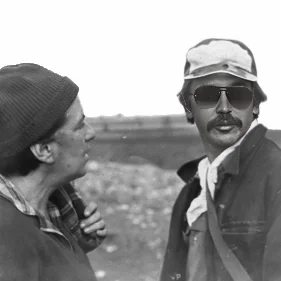
One of the most important research areas for this scientific and social approach was Çayönü Tepesi. In 1963, together with Prof. Dr. Robert J. Braidwood, Halet Çambel introduced Çayönü Tepesi to the scientific world during field surveys around Ergani, laying the foundation for a long-term research process at the settlement with systematic excavations starting in 1964.
The work conducted at Çayönü soon began to shed light on one of the most critical transformations in human history. Core dynamics of Neolithic life - such as the development of settled life, the evolution of architecture, the emergence of agriculture and animal husbandry, production technologies, and social organization - were investigated through Çayönü's rich archaeological record. Bringing together researchers from various disciplines, these studies established Çayönü early on as a pioneering center for interdisciplinary archaeological research.
One of the most significant legacies Halet Çambel bestowed upon Çayönü was this scientific environment. Under her guidance, Çayönü was not merely an excavated archaeological site, but assumed the character of "a laboratory functioning like a school," where researchers were trained, various specialties convened, and new research methods were developed. This approach laid the groundwork for the Çayönü scientific tradition that would be carried forward by subsequent generations.
Honored with numerous national and international awards for her lifelong contributions to cultural heritage preservation alongside her scientific work, Halet Çambel was awarded the Prince Claus Award in 2004 and the Republic of Turkey Grand Award for Culture and Arts in 2010.
Today, every new study conducted at Çayönü Tepesi builds upon the scientific foundations laid by Halet Çambel and her colleagues in 1964. Spanning over sixty years, Çayönü's research tradition stands as a living legacy of the scientific approach, preservation mindset, and school of archaeology that she initiated and passed down through generations.